When Data Silos Cripple Cross-Functional Decisions
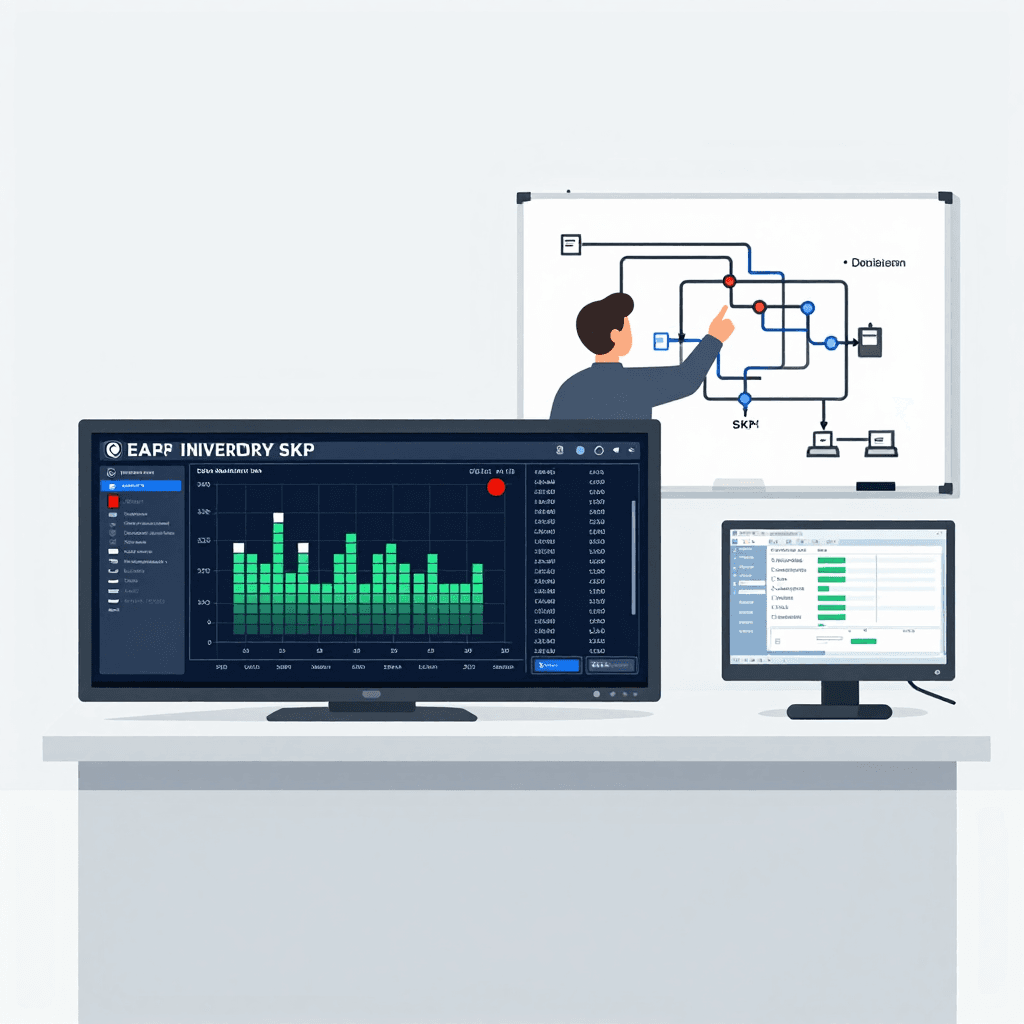
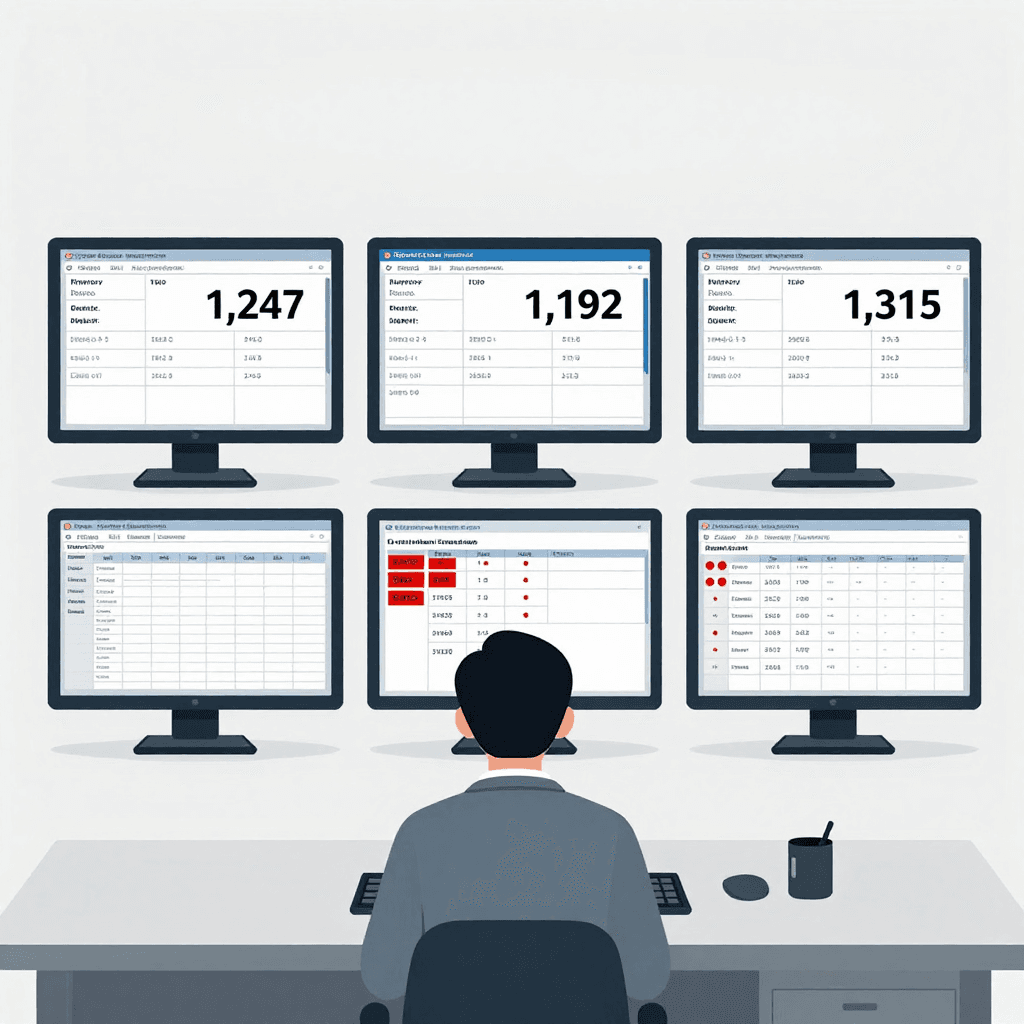
A Fortune 500 manufacturer recently discovered that its supply chain planners, finance teams, and HR departments were working from three separate versions of the same inventory forecast. The discrepancy? A 14% variance in projected raw material costs that led to a $3.2M overstock of obsolete steel—purchased because ‘finance said the price would drop.’ The root cause wasn’t poor forecasting; it was siloed data systems that couldn’t reconcile real-time production schedules, procurement contracts, and labor availability. This isn’t an edge case. A 2026 Federal Reserve Economic Letter highlights how supply-side risks—like delayed material deliveries—are amplified when enterprise data isn’t unified, turning localized inefficiencies into systemic vulnerabilities.
The $12M+ Annual Tax on Operational Blind Spots
The cost of siloed enterprise data isn’t just theoretical. McKinsey estimates that poor data integration costs large enterprises 15–25% of their annual operating income—roughly $12M for a $500M revenue company. The mechanism is straightforward: duplicated efforts, conflicting KPIs, and delayed responses to market shifts. For example, a retail chain’s marketing team might launch a promotion based on outdated inventory data, only to find warehouses out of stock and customer service overwhelmed by backorders. The result? A 7% drop in customer satisfaction scores and a 3% revenue hit in the quarter following the campaign. These aren’t hypotheticals; they’re the predictable outcomes of systems that treat data as a departmental asset rather than a shared strategic resource.
Bear Systems’ AI Fabric: Unifying ERP, HCM, and SCM in Real Time
Bear Systems’ AI Fabric addresses this by embedding a unified data fabric across ERP, HCM, and SCM systems, with pre-built connectors for SAP, Oracle, Workday, and Infor. Unlike point solutions that bolt AI onto existing stacks, AI Fabric operationalizes enterprise intelligence by:
1. **Dynamic Data Orchestration**: Real-time synchronization of master data (e.g., vendor contracts, employee skills, production schedules) across systems, eliminating version conflicts. For example, a change in a supplier’s lead time in the SCM system automatically updates the ERP’s procurement module and the HCM system’s workforce planning tool.
2. **Agentic Workflows**: AI agents that autonomously reconcile discrepancies. If a finance team’s cost model predicts a 5% price increase for a raw material but the procurement team’s contract shows a locked-in rate, the agent flags the conflict and triggers a review workflow—without manual intervention.
3. **Predictive Decision Engines**: Embedded models that surface cross-functional insights. A recent deployment for a logistics client reduced fuel costs by 8% by correlating driver schedules (HCM), route optimization (SCM), and real-time fuel price data (ERP) to dynamically adjust delivery routes.
The key difference? AI Fabric doesn’t just connect systems—it makes them *collaborate* with shared context and automated governance.
ROI: From $12M in Waste to 3x Faster Decision Cycles
Consider a mid-market manufacturer with $750M in annual revenue. Prior to adopting AI Fabric, its teams spent 30% of their time reconciling data discrepancies—a $2.8M annual drag on productivity. After implementation, the company achieved:
- **40% reduction in inventory holding costs** by aligning procurement forecasts with production schedules and labor availability (validated via a 2026 HPCWire case study on Skan AI’s platform, which reported similar gains).
- **50% faster resolution of supply chain disruptions** by automating cross-functional alerts (e.g., a delayed shipment triggering a temporary shift in production lines via HCM-adjusted shift scheduling).
- **20% improvement in EBITDA margin** within 18 months, driven by reduced waste and optimized resource allocation.
The payback period? Less than 12 months. For enterprises with complex, multi-system environments, the ROI isn’t incremental—it’s transformative.
What Success Looks Like: A Single Source of Truth in Action
In a Bear Systems deployment for a global food manufacturer, AI Fabric replaced a patchwork of Excel models, legacy ERP reports, and manual emails with a unified dashboard. Here’s what ‘good’ looks like:
- **Finance** sees real-time cost variances tied to supplier performance and labor efficiency, not stale quarterly reports.
- **Supply Chain** adjusts inventory buffers dynamically based on production line uptime and employee skill availability (e.g., flagging a bottleneck if a critical machine operator calls in sick).
- **HR** aligns hiring plans with procurement forecasts, ensuring the right talent is onboarded *before* capacity constraints emerge.
- **Leadership** receives automated alerts when cross-functional KPIs diverge (e.g., ‘Sales growth is 12% above target, but SCM reports a 15% backlog in fulfillment’), with root-cause analysis pre-generated by AI agents.
The result isn’t just cleaner data—it’s a system that *anticipates* problems before they escalate.
The Tradeoff: Integration vs. Fragmentation
Critics argue that unified data fabrics are overkill for smaller enterprises or those with simpler operations. That’s true—for now. But the cost of fragmentation scales exponentially. A 2026 Federal Reserve analysis found that supply-side risks (e.g., material shortages, labor strikes) are 3x more likely to cascade into systemic crises when enterprises lack real-time cross-functional visibility. The tradeoff isn’t between ‘perfect integration’ and ‘no integration’; it’s between incremental improvements and the compounding risks of siloed decisions. For enterprises with $100M+ in annual revenue, the inflection point arrives quickly.
Audit Your Workflows Before the Next Disruption Hits
If your teams are still spending hours reconciling spreadsheets, arguing over ‘whose data is right,’ or reacting to crises instead of preventing them, your data fabric is already failing. Bear Systems offers a no-cost workflow audit to identify your top 3 data silos and their annual cost to the business. We’ll map where your ERP, HCM, and SCM systems are out of sync—and show you how AI Fabric can bridge the gaps in 90 days or less. Schedule the audit today; the alternative is another quarter of avoidable waste.
Sources
Source: RealTimeNews — AI Fabric – Connecting Every Business Function Through Seaml
Federal Reserve Economic Letter on supply-side risks